Every serious buyer runs the same ritual before they pay a coach, consultant or agency. They google the name, they add the word reviews, and they decide within two minutes whether the deal feels safe. You are never in the room when it happens.
Most experts obsess over their offer and their calls, then leave this moment to chance. That is expensive, because a confusing or empty search result quietly kills deals that were already 90 percent closed. Reputation is not a vanity project, it is the invisible last step of your sales process.
This guide maps the whole field: what buyers actually check, which surfaces you can own, how verification changed the game, and where the legal lines run. The linked articles below go deep on each piece.
- Serious buyers google your name plus "reviews" before they pay. A page-one result you own closes deals; random noise and an empty result both read as risk.
- An expert's reputation stands on four blocks: a public review profile, a real proof page on your own site, presence in the one or two directories your niche consults, and consistency between search and sales page.
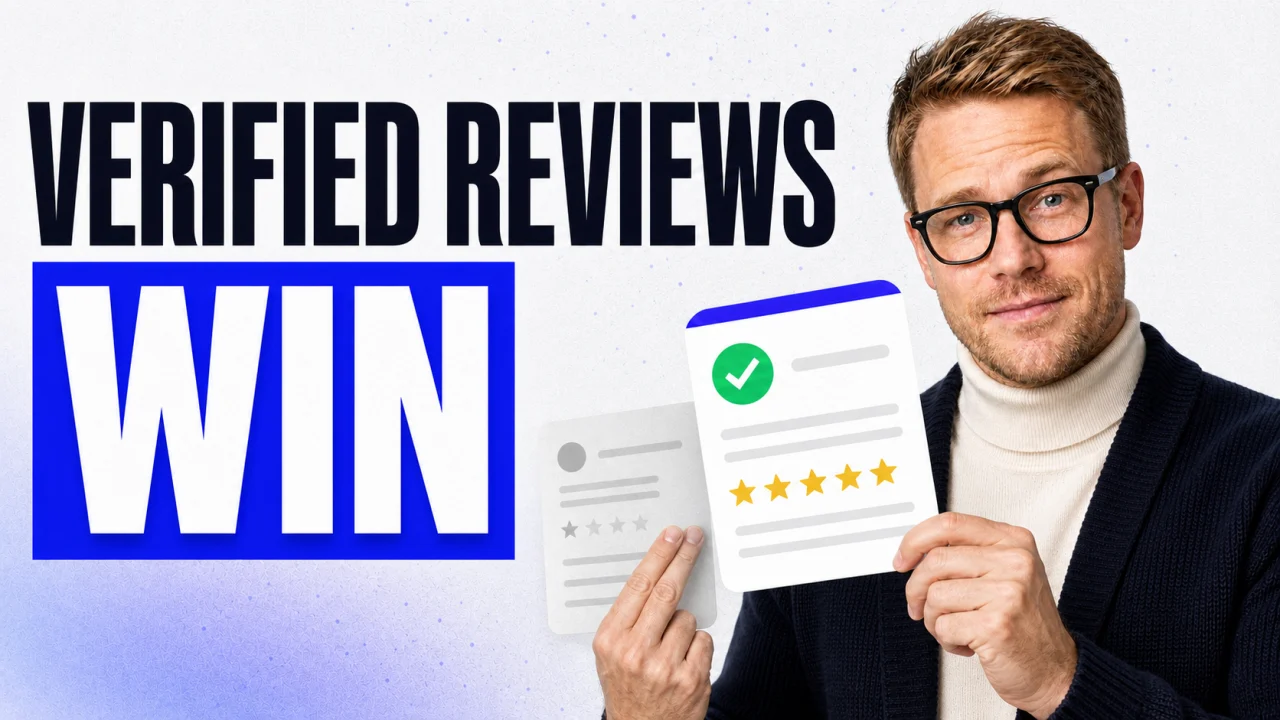
- Verification is the dividing line in 2026: buyers assume any testimonial might be AI-generated, so proof needs a visible mechanism like confirmed emails and marked verified purchases.
- The FTC rule on consumer reviews (in force since October 2024) prohibits fake or AI-generated reviews, bought reviews and undisclosed insider reviews, with penalties of up to $53,088 per violation.
Why reputation works differently for experts
A restaurant collects hundreds of drive-by reviews without trying. An expert selling high-ticket services might close twenty clients a year, so every single piece of public proof carries real weight. You cannot outsource this to volume.
That changes the strategy completely. Instead of chasing star counts, you curate a small body of verified, specific, permission-cleared proof and place it where buyers look. Ten strong testimonials with real results beat two hundred anonymous ratings for a consultant.
It also means one bad or random search result hurts you more than it would hurt a brand with thousands of reviews. Small proof portfolios need active management, not hope.
The buyer’s google check, and how to pass it
The single highest-leverage search in your business is your own name plus reviews. Prospects run it after the sales call, usually at night, usually on a phone. What ranks there is your real first impression.
There are three possible outcomes. The search is owned by you, the search is random noise, or the search is empty. Only the first one closes deals, and the other two both read as risk to a careful buyer.
The fix starts with a 15-minute audit and ends with assets you control ranking on page one. How to run that audit and occupy those spots step by step is covered in the article on owning your name search below.
The four building blocks of an expert’s reputation
Block one is a public review profile, a dedicated page whose whole job is to answer the “name plus reviews” query with verified proof. Because it matches the search intent literally, it can outrank random mentions within weeks.
Block two is your own website with a real proof page. Block three is presence in the one or two directories your niche actually consults. Block four is consistency, meaning the story a buyer finds in search matches what your sales page claims.
None of these blocks require daily work. They require one focused setup, a habit of collecting proof after every win, and a repeat audit every month or two.
Verification: the new dividing line
Buyers in 2026 assume any testimonial might be AI-generated, because they have seen fake quotes, fake faces and fake case studies everywhere. Skepticism is the default now. Unverifiable praise is rapidly losing its power to persuade.
Verified proof answers that skepticism with a mechanism. On a TrustFuel profile, reviewers confirm their email, verified purchases are marked, and a business can reply to public reviews but never delete verified ones. The buyer can see the rules, which is exactly what makes the content believable.
How to demonstrate that your testimonials are real, and why verified reviews outweigh unverified ones, each get a full article in this cluster.
The compliance floor: what the FTC rule requires
Reputation building has hard legal edges in the US. The FTC Rule on Consumer Reviews and Testimonials has been in force since October 2024, and it prohibits fake or AI-generated reviews, buying positive or negative reviews, and undisclosed insider reviews.
The rule carries penalties of up to $53,088 per violation as cited in late 2025, and the FTC sent a first wave of warning letters in December 2025. Incentives are not banned outright, but common practice is to never condition them on positive sentiment and to disclose material connections clearly.
The articles below translate this into plain English: the FTC rule explained without legalese, when gift cards for reviews are acceptable, how a testimonial release form protects both sides, and where the line runs on incentives. If you collect proof at all, this floor applies to you.
The most common mistake: waiting for a crisis
Most experts think about reputation for the first time when something bad ranks, or when a big prospect mentions they could not find anything. By then the fix takes months instead of an afternoon, because search engines need time to trust new pages.
The cheap moment to act is now, while nothing is on fire. A profile set up this week starts collecting verified proof immediately and compounds with every client you serve. Reputation built early is an asset, reputation repaired late is a bill.
Start with the name-search audit, then work through the compliance basics before you scale any collection push. That order keeps you fast and clean at the same time.
Where TrustFuel fits in
TrustFuel’s Public Profile gives you the cornerstone asset of this whole guide: a verified “Your Name Verified Reviews” page built to rank for your brand searches. Every published customer voice appears under one clear Verified Reviews standard while its original format and source context remain visible. Consent and usage permission can be recorded in the same collection flow as the testimonial.
The same proof then flows into widgets and SEO trust badges with review stars on your own site, so search, profile and sales page tell one consistent story. Setup takes about 30 seconds, and the articles below show you exactly what to publish first.
Own the page that ranks for your name
TrustFuel gives you a verified public profile plus widgets and SEO trust badges, so search, profile and sales page tell one consistent story about you.
Build your reputation with TrustFuel Your profile is live in 30 seconds. Cancel monthly.This guide shares practical experience and publicly available information, not legal advice. For your specific case, talk to a lawyer. Last updated: 2026.